Bonsai Yamadori & Broyeurs
Tony travaille avec les bonsaïs depuis 1983 et se spécialise notamment dans les arbres indigènes d’Europe; Aubépine, If et Pin. Il a remporté ses premiers prix Ginkgo en 1997, gagnant du Royaume-Uni et finaliste du concours européen des nouveaux talents en 1995.
Conseil d’administration des clubs de bonsaïs internationaux 2003-2005 et membre de l’Association des artistes britanniques du bonsaï. Tony est un organisateur d'événements. En 2015, Tony a organisé le plus grand événement de bonsaï au Royaume-Uni depuis 1991. Bonsai Europa
Tony fait une démonstration d'un broyeur lors de conférences majeures au Royaume-Uni, en Europe et dans le monde. Tony est largement publié avec une chronique régulière dans Bonsai Focus. Tony a fait sélectionner Bonsai pour quatre prix Gingko, une nomination pour un prix Noelanders en 2009, des conférences mondiales et de nombreux événements européens.
Il fait des démonstrations dans des clubs, sociétés et organisations du Royaume-Uni et d'Europe. Tony pense qu'il est important de ne jamais cesser d'apprendre et voyage beaucoup pour travailler avec les meilleurs artistes. Partager et donner sont des éléments clés des méthodes d’enseignement de Tonys. À cette fin, il a créé les événements Burrs. Les événements Burrs se déroulent depuis 2004 et de nombreux artistes invités sont venus partager leurs talents avec les participants.
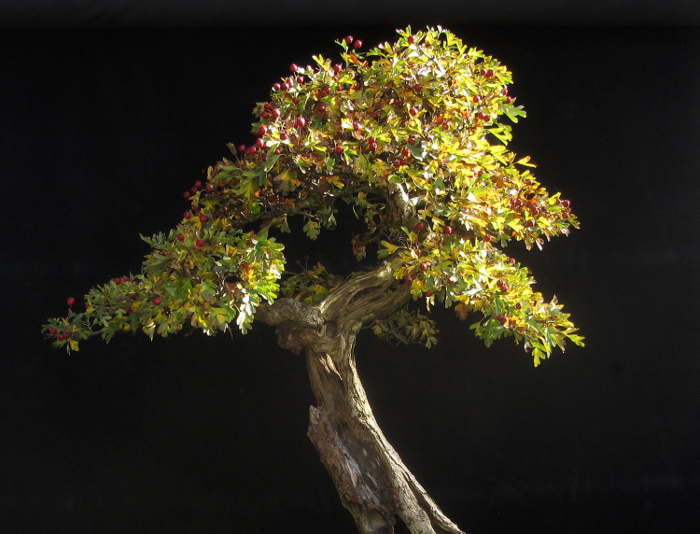
Si vous souhaitez que Tony fasse une démonstration lors de votre prochain événement, proposez un atelier ou une conférence. Ou si vous voulez avoir un atelier un 2 un, il peut être contacté. Au fil des ans, Tony a créé des centaines de bonsaï pour lui-même, ses clients et ses étudiants. Vous trouverez ci-dessous une petite sélection de ses favoris.
Prestations de service
J'ai la passion d'enseigner et d'aider ceux qui souhaitent développer leur bonsaï à un niveau supérieur. J'ai entraîné trois personnes dans le cadre du concours EBA New Talent Competition, qui ont toutes remporté le titre britannique et se sont bien classées en Europe. Les arbres de mes élèves ont remporté de nombreux prix, dont le prestigieux prix Gingko et le trophée Noelanders.
Clubs, sociétés et pépinières de bonsaï
Je suis heureux de prendre la parole lors de soirées dans des clubs. Je préfère donner une conférence accompagnée d'une présentation numérique. Les clubs doivent uniquement fournir une prise de courant car je dispose de tout mon équipement. Si le temps le permet, j’offre une critique d’arbre pour les arbres des membres. Merci de ne pas demander de "démo" pour une soirée, car cela donne à certains membres du club une impression fausse que le bonsaï peut être créé "instantanément". Les présentations actuelles incluent:
- Bonsaï des arbres européens indigènes
- Préparez vos arbres pour l'exposition.
- Bonsaï des arbres du jardin.
- Comment collecter Yamadori.
- Hawthorn de la matière première à l'exposition, y compris trois études de cas.
- If bonsaï.
- Création d'un spectacle de bonsaï Escallonia Bonsai à 5 ans du stock Garden.
- Une histoire du bonsaï européen depuis 1981
- Espèce: (entretiens individuels) If, Aubépine, Aubépine, Aubépine, Pin
Ateliers
Réalisé dans un lieu de votre choix et dans l’emplacement choisi, pouvant accueillir jusqu’à 10 participants, c’est un excellent moyen pour votre club de progresser et d’améliorer le niveau général des arbres de ses membres. Les participants fournissent leurs propres arbres, outils, fils, etc. Une journée ou deux journées sont recommandées.
Congrès nationaux et internationaux
Je suis disponible pour des événements et des congrès nationaux et internationaux dans le monde entier. J'ai fait des démonstrations dans toute l'Europe et au-delà au cours des 20 dernières années.
Après notre visite avec M. Morimae et Negishi, nous sommes allés voir Masahiko Kimura. Bien que je rende visite à M. Kimura deux fois par an depuis plus de 30 ans, la beauté de ses arbres est toujours rafraîchissante. Cependant, au cours de cette visite, j'ai remarqué un grand nombre de nouveaux bonsaïs. Je lui ai demandé combien de nouveaux bonsaïs il avait et il a répondu «nombreux». En résumé, il y en avait au moins une douzaine. Maintenant, douze nouveaux arbres ne semblent pas énormes, mais il s’agissait de bonsaïs géants, deux ou trois arbres-arbres, certains avec des troncs plus larges que ma taille. Je me suis posé des questions à ce sujet, puis je me suis rappelé la veille du jour où j’ai vu plusieurs bonsaï de chefs d’œuvre Kimura au musée Konsay-en Bonsai de Kobayashi à Tokyo. A ma demande à Tokyo, on m'a dit que tous les arbres de cette section avaient été vendus et seraient bientôt expédiés en Chine. Donc, je suppose que M. Kimura devait apporter…
J'utilise cette technique depuis plus de dix ans et j'ai finalement décidé de partager ce que j'ai appris. La technique est appelée «transpiration» et est largement utilisée dans les cercles arborétoraux. J'utilise pour les espèces suivantes: Cratageus, Prunus et la plupart des rosacées, ne pas utiliser sur des espèces à feuilles persistantes.
Je collectionne les arbres avec le plus de racines possible, mais j’ai mis des racines sur des arbres qui n’en ont pas eu.
Suivez cette procédure et votre taux de réussite dans l’établissement de votre yamadori fraîchement ramassé s’améliorera énormément.
- Recueillir autant de racines que possible
- Nettoyez autant de terre de montagne mais ne lavez pas les racines
- Utilisez le mélange de sol comme indiqué ci-dessous
- Couper net les racines principales au plus près du tronc sans gâcher le nebari
- Placez l'arbre dans le plus petit conteneur possible
- Assurez-vous que l'arbre est bien emballé dans le conteneur
- Câbler l'arbre en toute sécurité dans le pot
- Assurez-vous que les branches coupées sont propres et non scellées
- Saturer le sol
- Empilez de la mousse de sphaigne fraîche à la surface du récipient.
- Enveloppez l'arbre entier dans un très grand sac en plastique noir
- Placez dans une position ensoleillée comme l'arbre DOIT ÊTRE CHAUD
- L'humidité dans le sac doit être élevée en tout temps, vaporiser un brouillard quotidiennement
- Après deux ou trois semaines, de nouveaux boutons apparaîtront particulièrement autour des coupes.
- Assurez-vous qu'ils ne touchent pas les côtés du sac.
- Lorsque les nouvelles pousses atteignent 5 cm (2 ”), retirez-les du sac et protégez-les du froid et du vent, vaporisez-les quotidiennement et protégez-les du soleil.
- Surveillez les nouvelles pousses qui durcissent, puis vous pouvez vous nourrir avec une solution très diluée; ne travaillez pas l’arbre pendant les 12 premiers mois.